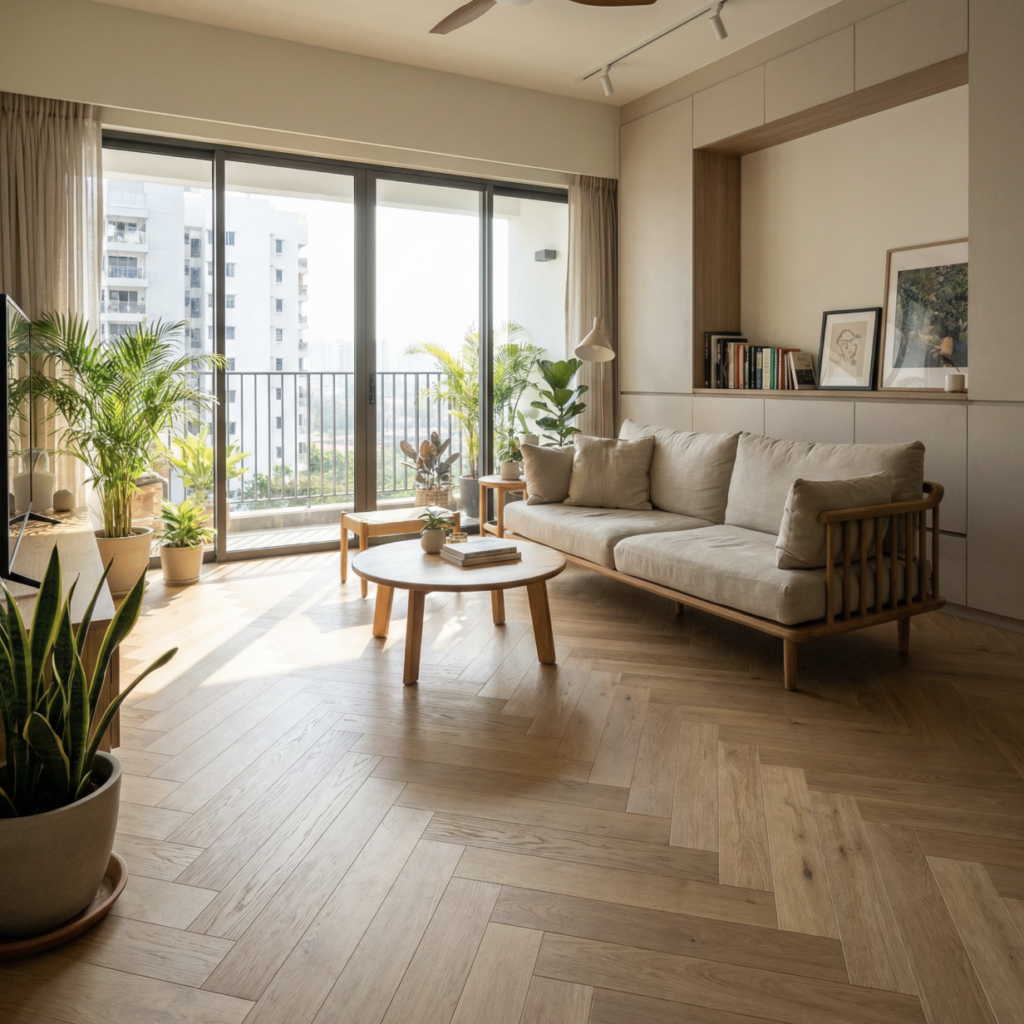
When choosing hardwood flooring, durability is often just as important as appearance. A beautiful floor that cannot handle daily wear quickly becomes a costly mistake. The most durable options combine strong wood species, stable construction, and protective finishes that stand up to real life.
Understanding which hardwood floors last the longest, why some perform better than others, and how to choose the right option helps you make informed decisions. When selecting flooring, durability should be treated as a design requirement, not an afterthought.
What Makes Hardwood Flooring Durable?
Hardwood durability isn’t determined by a single factor. Rather, it emerges from how several elements work together over time. The most important contributors include the natural hardness of the wood species, the construction method used, the quality and thickness of the protective finish, and proper installation with ongoing maintenance. A truly durable hardwood floor balances all these aspects, not just one.
Choosing Wood Species for Durability
Some wood species naturally resist dents and wear better than others, largely due to their density and grain structure. When selecting hardwood flooring, it’s worth considering species known for their hardness and durability.
Harder woods consistently perform better in high-traffic areas, busy households, and homes with pets. The difference becomes particularly apparent after several years of daily use, where softer species may show significant wear whilst harder woods maintain their appearance. Your flooring supplier can advise on which species offer the best durability for your specific needs and budget.
Comparing Construction Types
Durability is influenced not only by the wood itself but also by how the flooring is constructed. Understanding this distinction helps homeowners make informed choices suited to their specific circumstances.
Solid hardwood flooring is milled from a single piece of wood. Its thickness allows it to be sanded and refinished many times, which can extend its lifespan to several decades or more. However, solid wood is more sensitive to humidity and moisture changes, making it less suitable for certain environments.
Engineered hardwood flooring uses a real wood surface bonded to multiple layers of plywood or high-density fibreboard. This layered structure significantly improves stability and reduces movement caused by humidity fluctuations.
The key durability differences reveal distinct advantages for each type. Solid hardwood allows more refinishing cycles over its lifetime, potentially giving it a longer usable life in stable environments. Engineered hardwood offers superior moisture and climate stability, making it more reliable in variable conditions. Engineered floors perform better over concrete subfloors, whilst solid wood performs best in climate-controlled environments with consistent humidity levels.
For many modern homes, particularly in humid regions or homes with underfloor heating, engineered hardwood offers more consistent long-term performance.
Engineered Hardwood Options
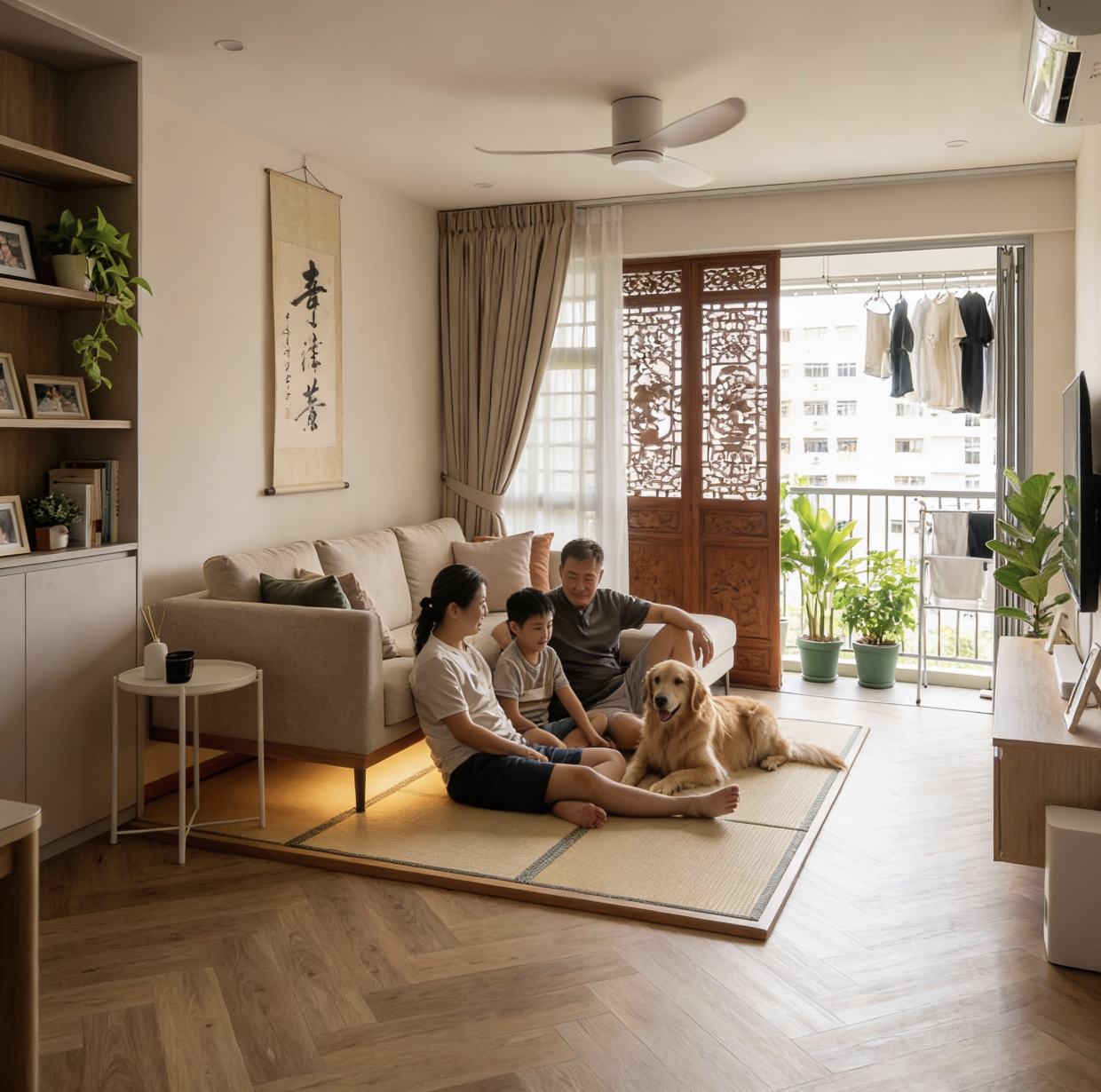
Engineered hardwood has become one of the most popular durable flooring solutions for residential spaces. Its strength comes from both careful material selection and intelligent structural design.
Quality engineered hardwood typically features a thick real-wood wear layer that allows for refinishing during its lifetime. Multi-layered cores provide dimensional stability, preventing the warping and gapping that can affect solid wood in challenging conditions. Professional finishes offer good scratch resistance from installation.
When properly selected and maintained, engineered hardwood can provide decades of reliable service whilst maintaining its appearance. This longevity, combined with its stability advantages, makes it an increasingly practical choice for homeowners seeking durability without compromise.
Scratch Resistance and Pet-Friendly Options
Homes with pets and children place extra demands on flooring surfaces. While no wood floor is completely scratch-proof, certain combinations perform significantly better than others.
For improved scratch resistance, harder wood species with tight grain patterns provide the best foundation. Professional finishes offer superior surface protection, whilst matte or satin finishes hide surface wear better than high-gloss options, maintaining their appearance longer between refinishing cycles.
Beyond material selection, routine cleaning and trimming pet nails play an important role in preserving the floor’s surface. Even the hardest wood benefits from proactive care and sensible daily habits.
The Importance of Proper Installation
Even the strongest hardwood can fail if installed incorrectly. Installation quality directly affects how long a floor lasts and how well it performs under daily use.
Critical considerations include proper subfloor preparation to prevent future movement or squeaking, moisture testing before installation to prevent problems that might not appear until later, and choosing the right installation method for your specific subfloor type.
Engineered hardwood offers more installation flexibility than solid wood, including various fixing methods that can improve long-term stability in challenging environments.
Matching Flooring to Different Spaces
Different rooms place different demands on flooring. Matching the hardwood type to each room’s specific use is essential for maximising durability.
High-traffic areas benefit most from harder wood species paired with durable finishes. Engineered construction adds stability that helps these spaces maintain their appearance despite constant use. Entryways, hallways, and kitchens particularly benefit from this combination of hardness and structural stability.
Living spaces with moderate traffic offer more flexibility in species and finishes, allowing homeowners to prioritise aesthetics whilst still maintaining good durability. Areas with potential moisture exposure, such as kitchens or spaces near external doors, should prioritise engineered hardwood over solid wood to prevent long-term damage from humidity fluctuations.
Care and Maintenance
Durability doesn’t end with installation. Proper care significantly extends the life of hardwood flooring and maintains its appearance over many years of use.
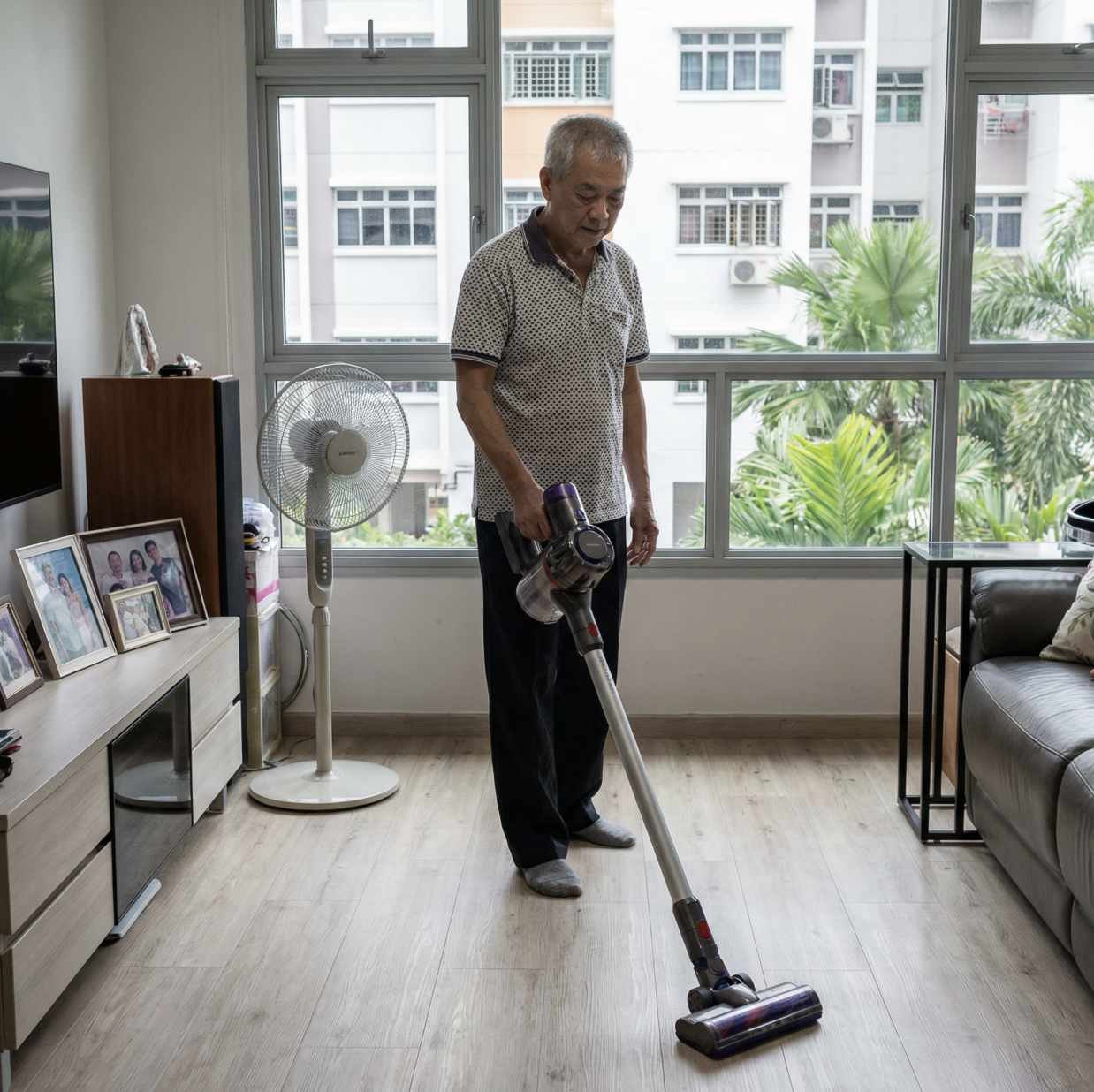
Best practices include regular sweeping or vacuuming to remove grit and dirt that can scratch the surface over time. Immediate clean-up of spills prevents moisture from penetrating the finish and causing damage. Using furniture pads and protective mats in high-wear areas reduces localised wear, whilst maintaining stable indoor humidity levels prevents expansion and contraction that can lead to gaps or cupping.
With consistent care, even busy households can preserve hardwood floors for many years. The difference between a floor that needs early replacement and one that lasts well often comes down to these simple daily and weekly maintenance habits.
A Lasting Investment
Durable hardwood flooring is the result of smart material choices, thoughtful construction, and proper installation. Wood species selection, structural stability, and protective finishes all play critical roles in long-term performance.
Whether you choose solid hardwood for its refinishing potential or engineered hardwood for its moisture resistance, selecting the right combination ensures your floor remains beautiful and functional over time. When durability is treated as a foundation rather than an upgrade, hardwood flooring becomes a lasting investment that enhances your home for years to come.
Ready to find the perfect hardwood flooring for your home? Speak with our flooring specialist at Singapore UPI to explore durable options that match your lifestyle, budget, and design preferences.
