
Engineered wood flooring has earned its place as one of the most trusted flooring choices for homes worldwide. Recognised by industry bodies such as the National Wood Flooring Association and Forest Stewardship Council, it strikes a careful balance between natural aesthetics, durability, and environmental responsibility.
For homeowners in humid or climate-variable regions like Singapore and Southeast Asia, engineered wood offers clear advantages over solid wood while preserving the warmth and character of real timber. This combination of performance and beauty is why it has become central to modern flooring solutions, including those developed by UPI.
The Authentic Look of Real Wood
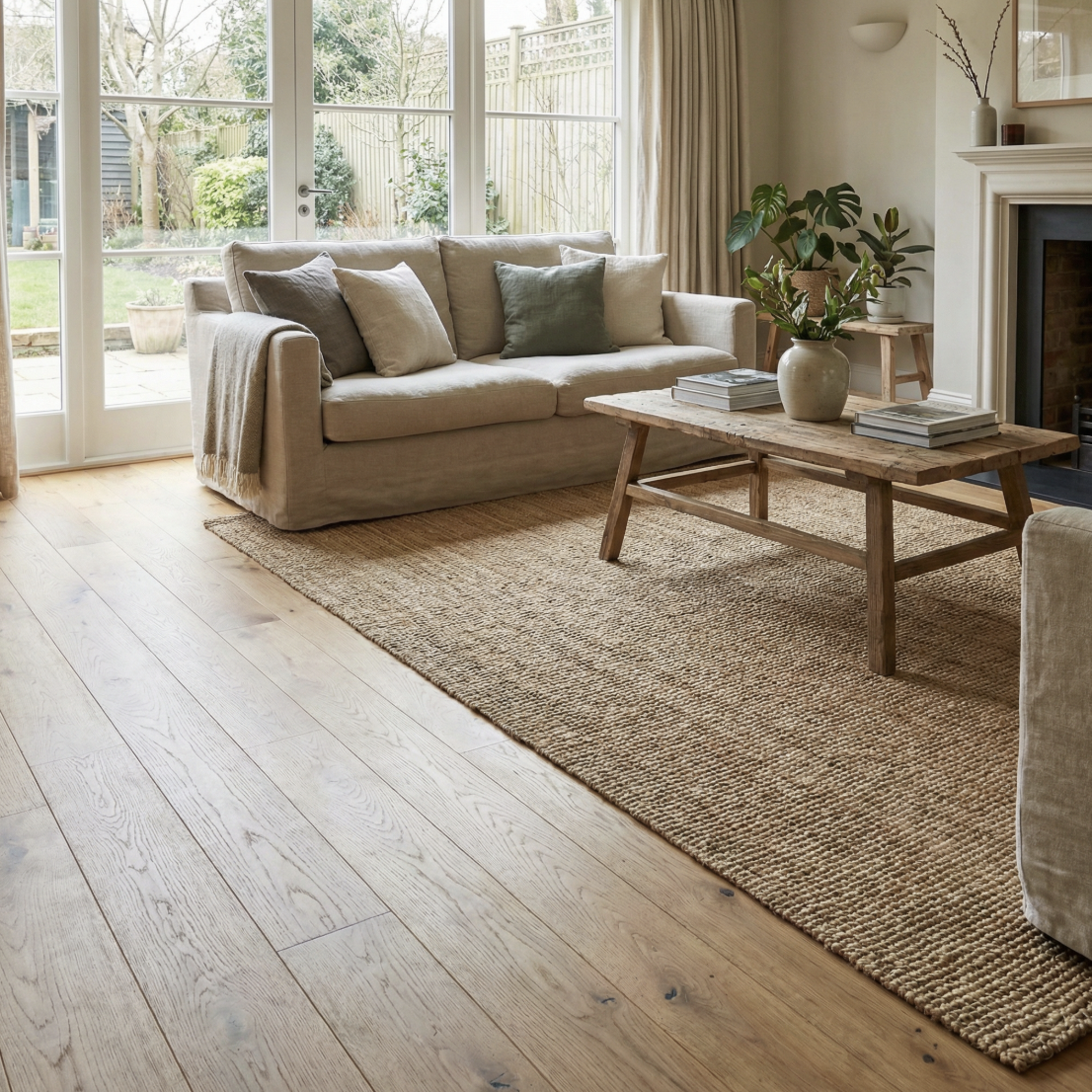
One of engineered wood flooring’s greatest strengths is its genuine appearance. Unlike laminate or vinyl, which merely simulate wood, engineered flooring features a real hardwood veneer as its top layer. This means every plank displays the natural grain patterns, subtle colour variations, and authentic texture that only genuine wood can provide.
Thanks to advances in manufacturing and finishing technology, distinguishing high-quality engineered wood from solid hardwood has become increasingly difficult. In everyday living spaces, the visual difference is virtually nonexistent, yet the performance is often superior.
Built for Stability in Challenging Climates
While solid wood is beautiful, it’s also temperamental. It expands when humid, contracts when dry, and can develop gaps or cupping over time. Engineered wood flooring addresses these issues through intelligent design. Its cross-layered core structure allows boards to remain dimensionally stable even when exposed to temperature and moisture fluctuations.
This stability transforms where you can install wood flooring. Engineered wood performs reliably in kitchens, moisture-prone living areas, and other spaces where solid wood would be risky. The reduced expansion and contraction mean less worry about cupping, warping, or gapping over the years. In tropical climates especially, this structural advantage often becomes the deciding factor for homeowners.
Designed to Withstand Daily Life
Engineered wood flooring isn’t just stable, it’s genuinely durable. The layered plywood or HDF core provides excellent strength and impact resistance, allowing the floor to handle heavy foot traffic in both residential and light commercial settings. The multi-layer construction makes it particularly suitable for high-traffic areas like living rooms and hallways, and it’s designed to maintain performance under normal household use for years to come.
This resilience makes engineered wood an excellent choice for families with children, pets, and active lifestyles. It’s flooring that looks beautiful but doesn’t require you to tiptoe around it.
The Ability to Renew Over Time
Here’s where engineered wood truly distinguishes itself from laminate or vinyl: it can be sanded and refinished. Depending on the thickness of the top wear layer, most quality engineered boards allow refinishing one to three times over their lifespan.
This capability offers real flexibility. Surface scratches and wear can be removed, colours or finishes can be changed to refresh your space, and the floor’s original beauty can be fully restored. This refinishing ability doesn’t just extend the floor’s life, it significantly contributes to its long-term value as an investment in your home.
Endless Design Possibilities
Engineered wood flooring opens up exceptional design flexibility. Homeowners can choose from an extensive selection of wood species, surface treatments, and board formats to complement both modern minimalist and classic traditional interiors.
Popular species like oak and walnut are available across multiple grades to suit different budgets and aesthetic preferences. Surface finishes range from UV oil and lacquer to brushed and matte treatments, each offering a distinct look and feel. This variety allows engineered wood to adapt seamlessly to different lifestyles and design visions.
Contemporary Formats Without the Premium Price
Because engineered wood doesn’t rely on large solid timber logs, manufacturers can produce wider and longer planks more efficiently. This makes contemporary wide-board designs accessible to more homeowners without the premium price tag traditionally associated with them.
Wide planks create fewer visible joins, delivering a cleaner, more expansive look. Meanwhile, classic patterns like chevron, herringbone, and parquet can be installed faster than traditional solid versions, reducing both labor time and costs. These options enable you to achieve premium design aesthetics without excessive material waste or expense.
Installation Made Simpler
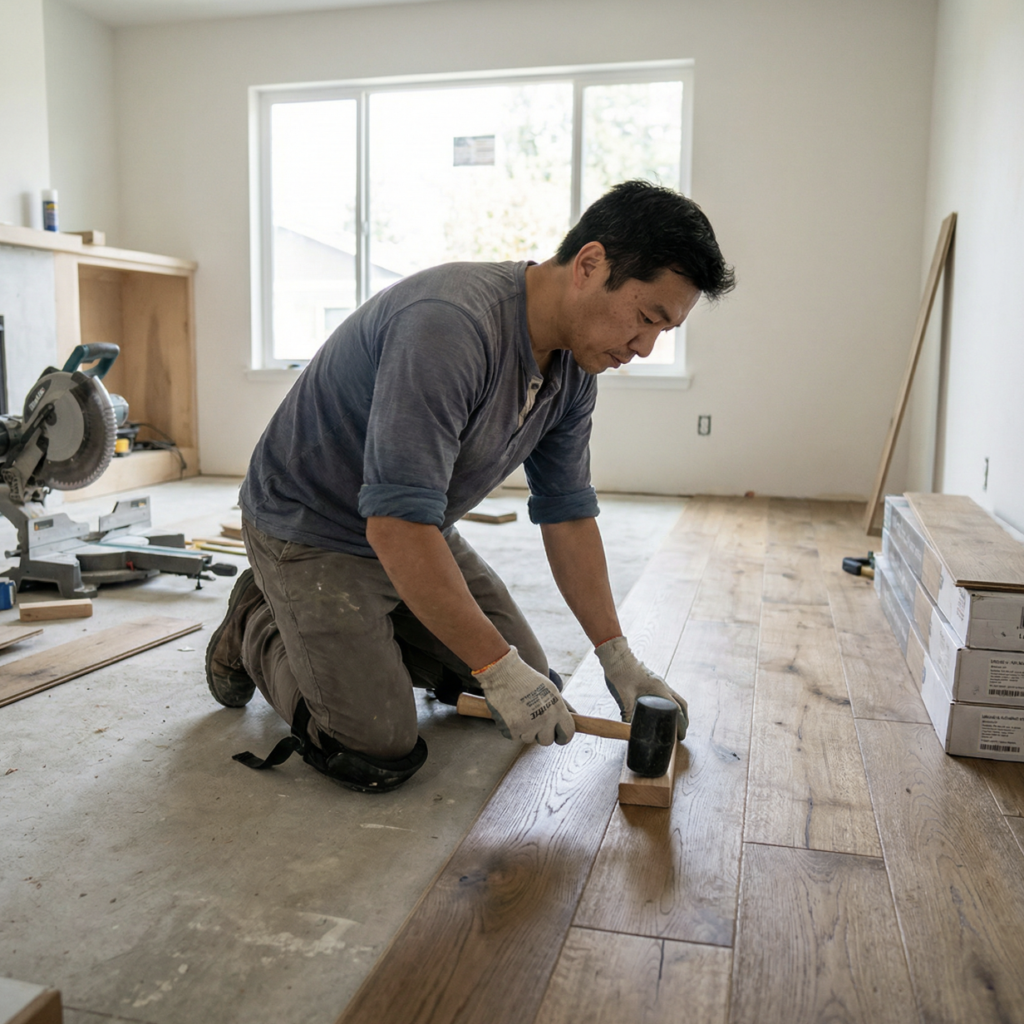
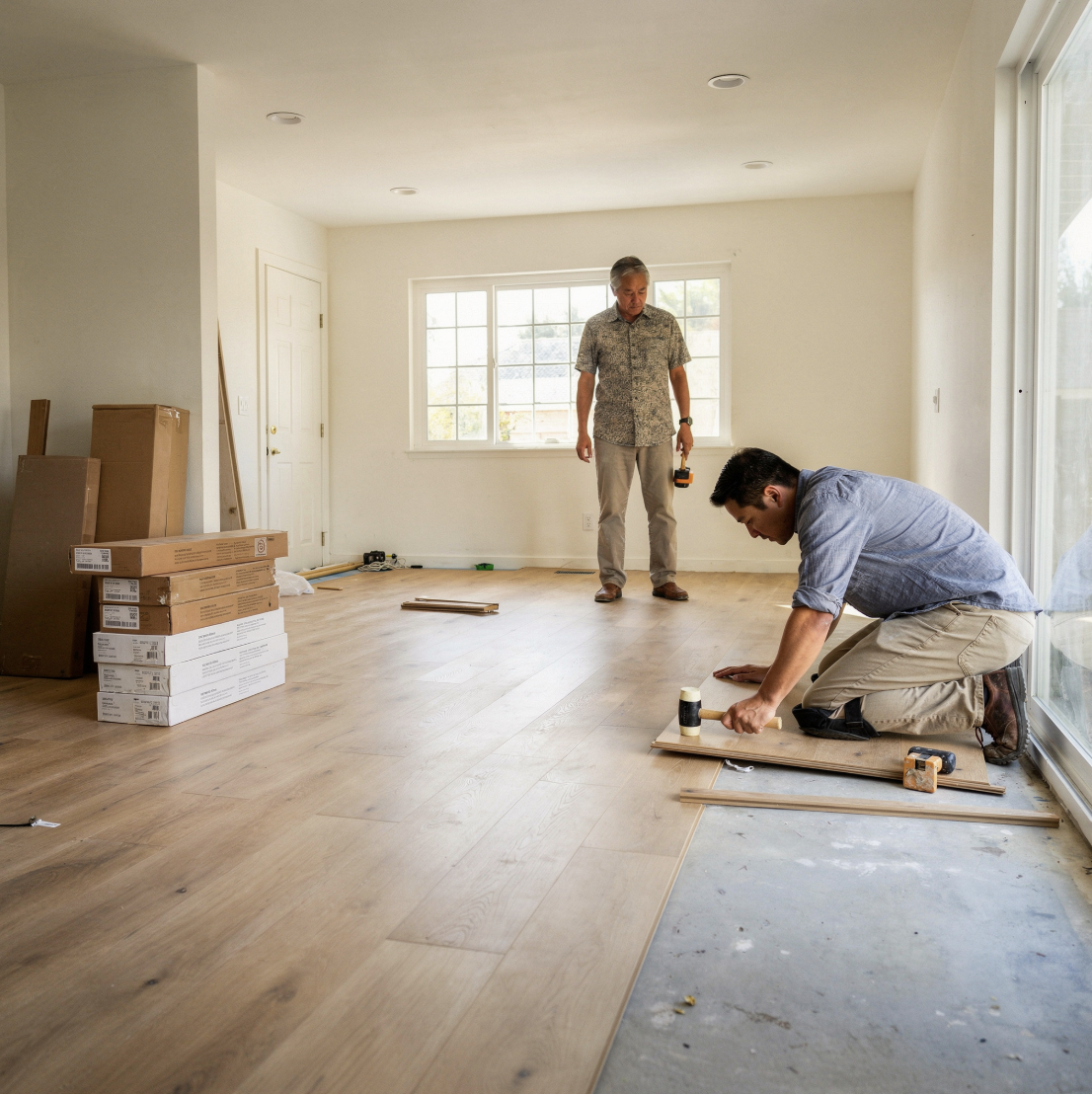
Engineered wood flooring is significantly easier to install than solid wood, making it suitable for both professional installers and experienced DIY enthusiasts. It can be laid over various subfloors, including concrete, which solid wood typically cannot accommodate.
Installation options include click-lock systems for floating installations, glue-down methods for enhanced stability and improved acoustics, and traditional nail-down installation over wooden subfloors. This flexibility reduces installation time and overall renovation complexity, getting you from construction to comfortable living more quickly.
Better Value for Your Investment
While engineered wood delivers the look and feel of solid hardwood, it generally comes at a more accessible price point. This cost efficiency stems from the optimised use of hardwood and more efficient manufacturing processes.
The material itself costs less than full solid planks, and installation and maintenance expenses are typically reduced as well. The strong value-to-performance ratio makes engineered wood the most balanced choice for homeowners seeking premium aesthetics on a controlled budget.
A More Sustainable Choice
In an era of environmental awareness, engineered wood flooring makes better use of our natural timber resources. A single hardwood log can produce multiple engineered planks, significantly reducing waste compared to solid wood production.
The efficient use of hardwood veneers, combined with responsible forest management practices, results in a lower environmental impact. For homeowners who want beautiful wood floors while making environmentally conscious choices, engineered wood aligns with modern sustainability expectations in residential construction.
Healthier Indoor Living
Natural wood flooring contributes positively to both indoor comfort and air quality. Unlike carpets, which trap dust mites, allergens, and other particles, wood surfaces are easy to clean and maintain. This makes them particularly suitable for households with allergies or respiratory sensitivities.
Wood is naturally comfortable underfoot, helps maintain balanced indoor temperatures, and supports healthier indoor air quality overall. These benefits enhance everyday living, especially for families with young children who spend significant time playing on the floor.
Built to Last Decades
When properly installed and maintained, engineered wood flooring can last for decades, often longer than many alternative flooring types. Its ability to be refinished, combined with excellent structural stability, gives it a longer usable life than laminate flooring and comparable durability to solid wood at a lower cost.
Rather than requiring complete replacement when it shows age, engineered wood can be refreshed and restored. This means it maintains its aesthetic appeal over time while delivering exceptional return on investment.
The Smart Flooring Solution
Engineered wood flooring offers a well-rounded combination of beauty, stability, durability, and sustainability. It addresses the practical limitations of solid wood while preserving the qualities people love most about natural timber: the warmth, character, and timeless appeal.
For modern homes, especially those in humid climates, engineered wood stands out as both a reliable and stylish solution. If you’re looking to enhance your living space with flooring that performs as beautifully as it looks, engineered wood flooring from UPI Singapore is an excellent place to start your search.
